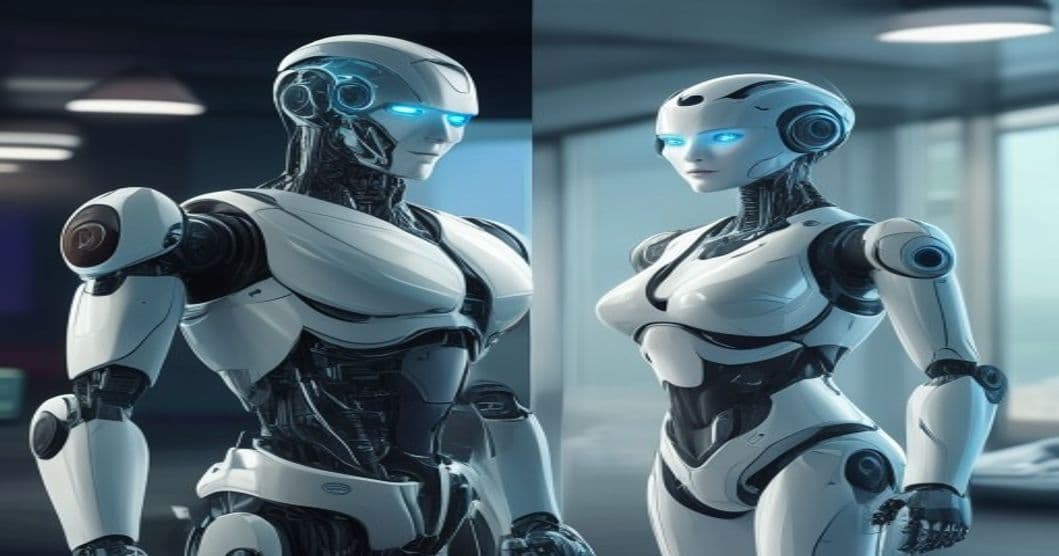
Eighteen months ago, humanoid robots walking around a BMW factory was a compelling demo. Today, Figure AI has over 1,200 robots deployed in production at BMW, Amazon, and three undisclosed logistics partners. Tesla's Optimus fleet has crossed 1,000 units working in Tesla's own factories. The age of humanoid robot labor has arrived — not in a dramatic moment but in a quiet accumulation of working shifts.
Why Humanoids Are Winning in Warehouses
The conventional wisdom was that purpose-built robots would always beat humanoids in specific tasks. That logic still holds for highly structured environments. But warehouses, despite appearances, are not highly structured — they are full of irregular packages, floor obstacles, height variation, and tasks that change day to day.
Humanoids win in exactly this environment. Their bipedal form factor lets them use infrastructure built for humans: stairs, ladders, standard shelf heights, and hand trucks. Retraining them for a new task often takes hours of demonstration rather than weeks of engineering. When the task changes, the robot adapts.

The Economics
The current generation of commercial humanoids costs approximately $150,000-$250,000 per unit to purchase, or $8-15 per hour on a lease/service model. In markets where warehouse labor costs $20-28 per hour including benefits, the economics are becoming compelling — especially for night shifts and hazardous tasks where human turnover is highest.
The next generation, expected in 2027, is projected to hit sub-$100k purchase prices. At that point, the total cost of ownership over a 5-year period drops below the fully-loaded cost of human labor in most developed markets.
Figure AI projects unit costs below $30,000 by 2028. At that price point, the addressable market becomes the entire global warehousing and light manufacturing sector.
Which Companies Are Leading
Figure AI leads on commercial deployment scale and BMW partnership credibility. Their Figure 02 model is the current generation in production. 1X (backed by OpenAI) is stronger on dexterity and home-environment tasks. Tesla Optimus benefits from Tesla's manufacturing scale and vertical integration but currently operates only in Tesla facilities.
Hyundai's Boston Dynamics remains the technology leader on mobility and athleticism, but has been slowest to commercialize. The company's Atlas robot is impressive but has not yet appeared in production logistics environments at scale.