After years of demos and promises, consumer humanoid robots have finally arrived in 2026. What seemed like science fiction just three years ago is now available for pre-order, with early adopters already sharing their experiences of robots doing laundry, loading dishwashers, and even preparing simple meals. The technology has reached an inflection point where practical home use is genuinely possible.
But with prices ranging from $15,000 to $25,000 and capabilities varying significantly between models, purchasing a humanoid robot requires careful consideration. This comparison examines the three leading options available for home use in 2026, analyzing their real-world performance, limitations, and whether they deliver enough value to justify their substantial price tags.
Tesla Optimus Gen 3: The Mass Market Pioneer
Tesla's Optimus Gen 3 represents Elon Musk's vision of an affordable humanoid robot for every household. At $18,000, it's positioned in the middle of the market but offers impressive hardware specifications including 28 degrees of freedom, 40-pound carrying capacity, and an 8-hour battery life with autonomous charging.
In home testing, Optimus excels at repetitive physical tasks. It handles laundry with surprising competence—sorting, loading, folding basic items, and putting clothes away in designated locations. Kitchen cleanup is another strength; it can load and unload dishwashers, wipe counters, and take out trash without supervision once trained on your home's layout.
The primary limitation is adaptability. Optimus struggles with novel situations and requires explicit programming for new tasks through Tesla's companion app. Early adopters report spending 15-20 hours during the first month teaching the robot their home's specifics. Tesla's over-the-air updates are improving capabilities monthly, but the robot works best in structured environments with consistent routines.
Figure 02 Home Edition: Precision and Dexterity Leader
Figure AI's approach prioritizes dexterity and safety, resulting in a robot that handles delicate tasks with remarkable precision. The Figure 02 Home Edition ($22,000) features the most advanced hands in the consumer market, with tactile sensors allowing it to handle eggs, fold delicate fabrics, and even assist with basic food preparation.
The OpenAI-powered conversational interface sets Figure apart from competitors. You can explain tasks verbally, and the robot asks clarifying questions before proceeding. This natural interaction reduces the learning curve significantly—most users report their Figure robot becoming genuinely useful within 10 days versus 3-4 weeks for competitors.
Figure's limitations center on physical capability. Its carrying capacity tops out at 25 pounds, making it less suitable for households with heavy lifting needs. Battery life is also shorter at 6 hours, though rapid charging provides 80% capacity in 45 minutes. The higher price point and more limited physical strength make Figure best suited for users prioritizing sophisticated task understanding over brute capability.
1X NEO: The Compact Apartment Solution
Norwegian company 1X designed NEO specifically for smaller living spaces, and it shows. At 5'4" and 65 pounds, NEO is the most compact humanoid robot available, capable of navigating tight hallways, small kitchens, and apartments that would challenge larger robots. The $15,000 price point makes it the most accessible option.
NEO's wheeled base (rather than legs) provides exceptional stability and near-silent operation—an important consideration for apartment dwellers and those with sleeping children. The tradeoff is reduced capability on stairs; NEO requires ramps or single-floor operation. However, for the majority of apartments and single-story homes, this limitation is irrelevant.
The robot excels at light household maintenance: tidying rooms, watering plants, feeding pets on schedule, and basic cleaning support. Its integration with popular smart home platforms (Google Home, Apple HomeKit, Home Assistant) allows sophisticated automation routines. NEO is less capable than competitors at complex physical tasks but often represents the practical choice for urban households with moderate needs.
Safety, Privacy, and Practical Considerations
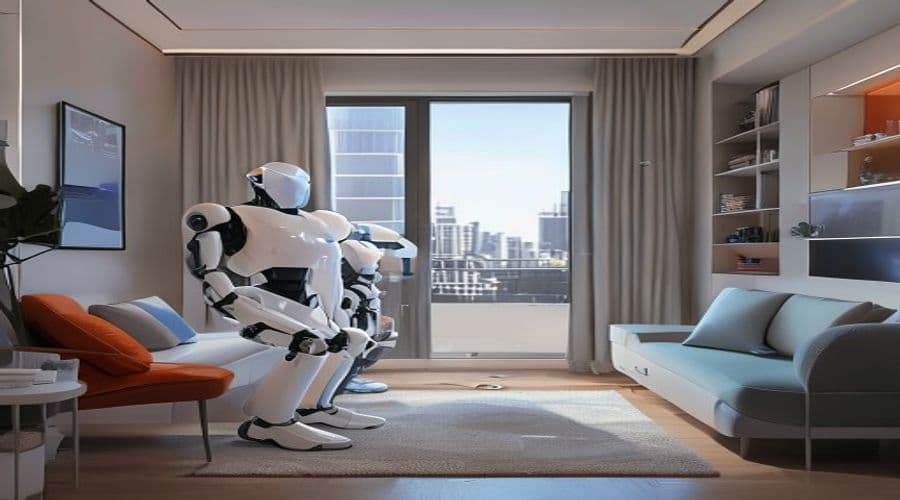
All three robots have passed rigorous safety certifications, but real-world considerations extend beyond formal compliance. Each robot includes multiple redundant safety systems: force-limiting joints that prevent injury during accidental contact, computer vision that identifies humans and pets to avoid collisions, and emergency stop buttons on the robot and through smartphone apps.
Privacy concerns are legitimate with any device featuring cameras and microphones throughout your home. Tesla processes most Optimus data on-device with optional cloud features; Figure requires cloud connectivity for its advanced AI features but offers robust data deletion controls; 1X provides a fully offline mode with reduced capabilities. All three companies have published transparency reports and submitted to third-party security audits.
Practical ownership considerations include maintenance requirements (minimal—annual servicing recommended), insurance implications (check with your homeowner's policy), and the learning period required before the robot becomes genuinely helpful. Most owners report the first month requires patience as the robot learns your home, but satisfaction rates increase dramatically after the 60-day mark.
Conclusion
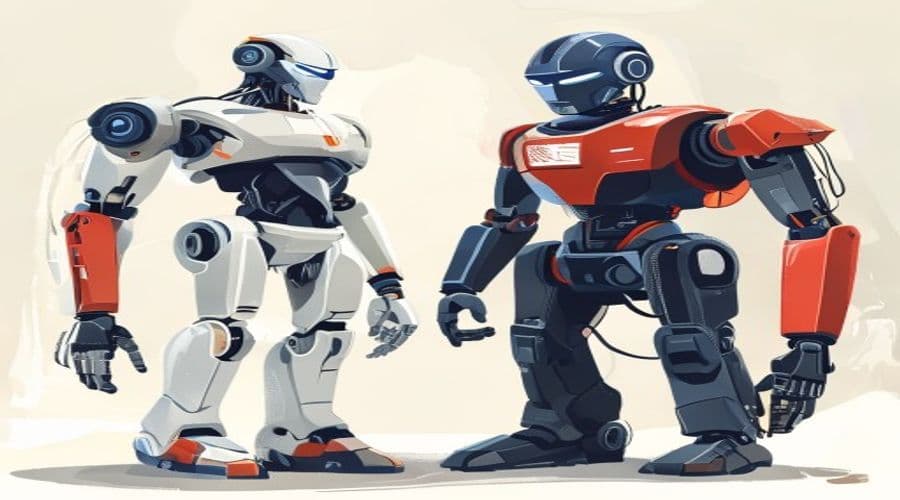
Humanoid robots in 2026 deliver genuine utility but require realistic expectations. They excel at repetitive physical tasks and household maintenance, saving owners an estimated 8-15 hours weekly once properly configured. Tesla Optimus Gen 3 offers the best balance of capability and price for most households; Figure 02 is ideal for those prioritizing dexterity and natural interaction; 1X NEO serves apartment dwellers and those seeking a more affordable entry point. While the technology isn't yet at the level of science fiction androids, for households willing to invest time in setup and accept current limitations, these robots represent a meaningful step toward automated home assistance.