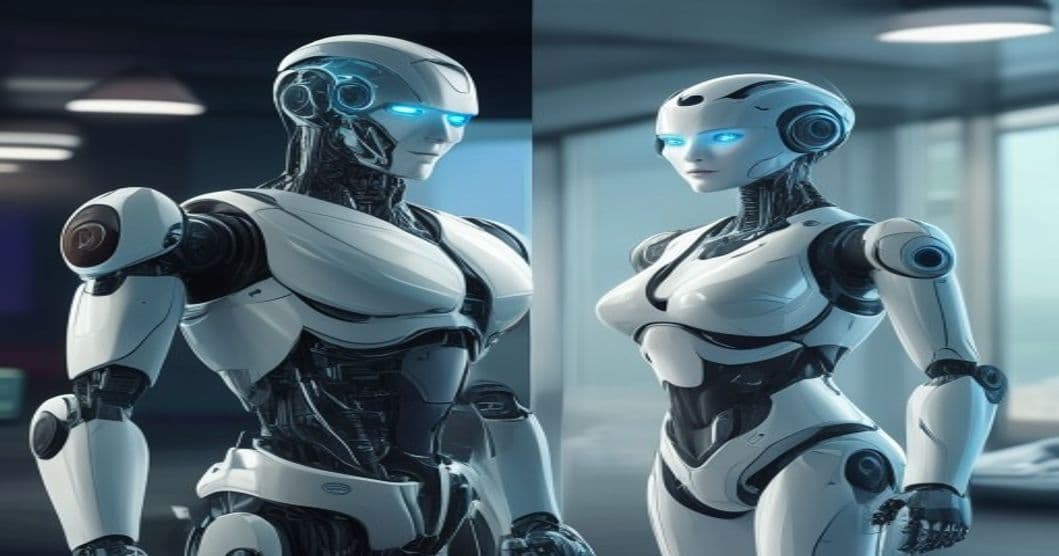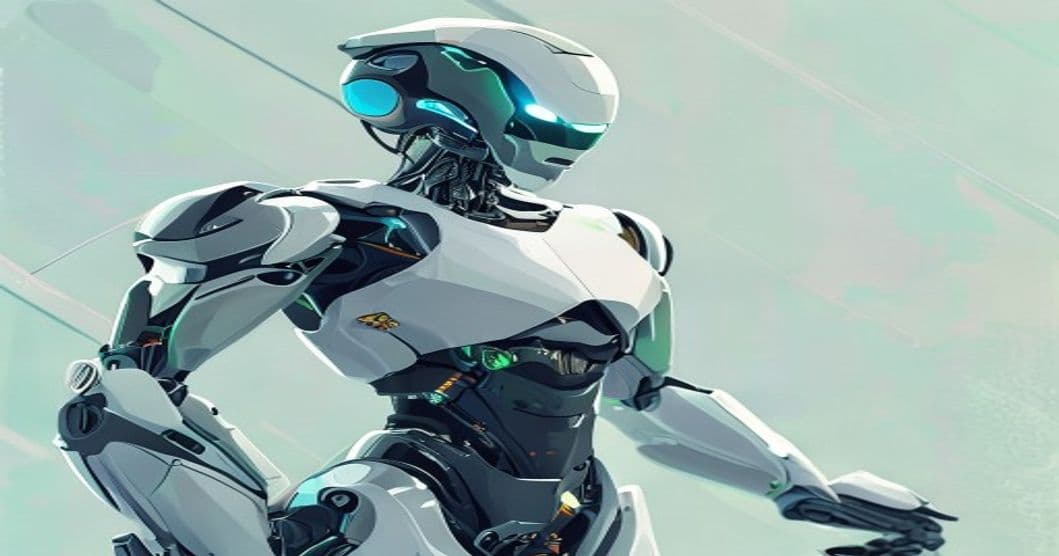
After years of promises and prototypes, 2026 marks the year humanoid robots finally enter consumer homes. Tesla began Optimus Gen 3 deliveries in April, Figure launched its 02 Home edition in May, and 1X Technologies started Neo shipments in June. For early adopters with the budget and patience, these machines promise to transform household management.
This comparison examines whether the technology has truly arrived or if we are still in expensive beta testing territory. We spent three weeks with evaluation units of all three robots, putting them through common household scenarios including cleaning, laundry, cooking assistance, and elderly care support. The results reveal both remarkable capabilities and significant limitations that potential buyers must understand.
Tesla Optimus Gen 3: The Mass Market Pioneer
Tesla's strategy with Optimus mirrors its approach to electric vehicles—aggressive pricing to drive adoption and iterate quickly based on real-world data. At $19,999 (with Tesla financing available), Optimus Gen 3 undercuts competitors by $10,000 or more. The robot ships with capabilities for basic cleaning, item retrieval, simple meal prep, and home monitoring.
In our testing, Optimus excelled at repetitive, predictable tasks. It reliably vacuumed floors, loaded dishwashers, and folded basic laundry items like towels and t-shirts. Integration with the Tesla ecosystem is seamless—owners with Tesla vehicles and Powerwall can manage everything through a unified app. The robot's 16-hour battery life between charges exceeded expectations.
The limitations become apparent with complex or novel tasks. Optimus struggled with delicate items, occasionally applying too much force. Its object recognition, while impressive, failed on unusual items not in its training data. Tesla's over-the-air updates promise continuous improvement, but buyers should expect a capable assistant for basic chores rather than a general-purpose household helper at launch.
Figure 02 Home: Premium Performance
Figure's robotics technology, born from partnerships with OpenAI and BMW, delivers the most sophisticated movement and manipulation in the consumer space. At $34,999, the Figure 02 Home costs nearly double the Optimus, but the capability gap is immediately apparent. Its hands feature 24 degrees of freedom, enabling tasks like buttoning shirts, cracking eggs, and handling fragile glassware.
The Figure 02 impressed us most in cooking assistance scenarios. It successfully followed complex recipes, adjusting techniques based on visual feedback. When making an omelet, it detected doneness through color changes and adjusted heat accordingly. The robot's conversational AI, powered by a custom multimodal model, enabled natural task instruction without rigid command syntax.
Figure's premium pricing reflects its enterprise robotics heritage—the same core technology operates in BMW factories. Build quality is exceptional, with a 3-year warranty covering mechanical components. For households seeking the most capable current-generation humanoid robot and willing to pay the premium, Figure 02 Home delivers technology that feels genuinely transformative.
1X Neo: Safety-First Design Philosophy
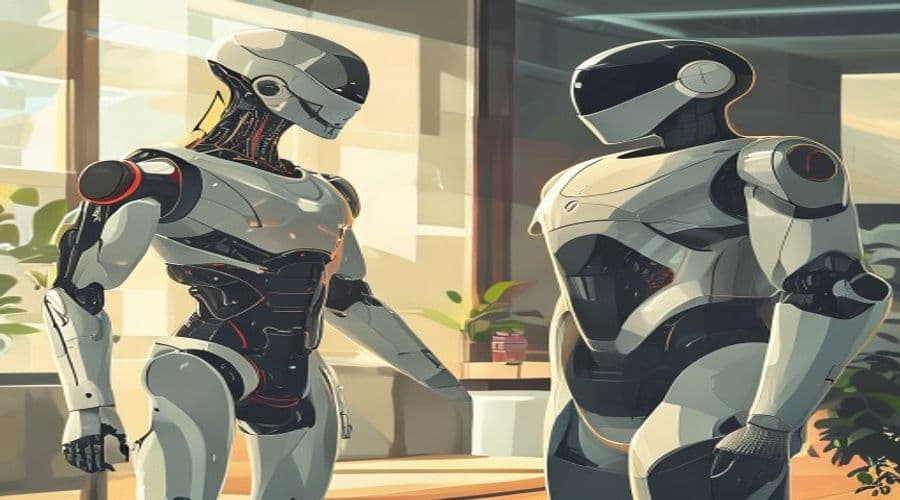
Norwegian company 1X Technologies took a different approach with Neo, prioritizing safety above raw capability. The robot uses soft robotics principles—compliant actuators and padded surfaces that yield on contact. For families with children, elderly residents, or pets, this design philosophy offers peace of mind that rigid metal robots cannot match.
Neo's $24,999 price positions it between Optimus and Figure. Its capabilities fall in the middle as well—more dexterous than Optimus, less capable than Figure. Where Neo excels is in human interaction scenarios. Its gentle touch makes it suitable for personal care assistance, and its fall detection and emergency response features provide genuine value for aging-in-place applications.
The tradeoff for safety is reduced strength and speed. Neo cannot lift items over 10 pounds (compared to 25 for Figure and 20 for Optimus) and moves more slowly during tasks. For households prioritizing companionship and light assistance over heavy-duty chores, these limitations may be acceptable. Early adopters report that Neo's safety-first behavior makes them more comfortable leaving it to operate unsupervised.
Setup, Learning Curve, and Long-Term Ownership
All three robots require significant initial setup and ongoing training. Professional installation is recommended (and included with Figure), taking 2-4 hours to map your home, establish charging locations, and configure safety boundaries. The first month involves supervised operation as the robots learn your specific environment, preferences, and routines.
Expect 6-12 months before any robot reaches full utility. Each develops understanding of where items belong in your specific home, learns your schedule and preferences, and improves at tasks through repetition. Early owners report frustration during this learning period but genuine delight once robots reach baseline competency. Over-the-air updates continuously add capabilities—Optimus has received 14 updates since launch adding new task types.
Ongoing costs include extended warranties ($1,200-2,400/year recommended), occasional part replacements, and electricity (roughly $30-50/month). All manufacturers offer service plans and maintain spare parts availability commitments. The robots are designed for 7-10 year lifespans with proper maintenance.
Conclusion
Consumer humanoid robots in 2026 are genuinely useful but require realistic expectations. Tesla Optimus Gen 3 offers the best entry point for early adopters curious about the technology and willing to accept current limitations. Figure 02 Home delivers premium capabilities for those who can afford it and want the most sophisticated household robot available. 1X Neo serves families prioritizing safety and gentle assistance over maximum capability. All three represent first-generation consumer products—remarkable achievements that will look primitive compared to models shipping in 2030. For those with appropriate budgets and patience, the future of household robotics has arrived.