
Sustainable travel has moved from niche concern to mainstream priority in 2026, driven by climate awareness and a new generation of travelers who demand environmental responsibility. The destinations leading this movement have proven that ecological preservation and tourism can coexist, creating experiences that benefit both visitors and local ecosystems. Choosing where to travel sustainably is now as important as choosing where to travel at all.
This guide highlights destinations that have made genuine commitments to sustainable tourism, backed by measurable outcomes rather than marketing claims. From carbon-negative nations to rewilded landscapes, these locations offer transformative travel experiences while setting new standards for the industry. Whether you're planning a major trip or seeking inspiration for future adventures, these destinations represent the best of what responsible travel can achieve.
How We Evaluate Sustainable Destinations
Determining genuine sustainability requires looking beyond marketing materials to measurable outcomes. We evaluated destinations based on carbon footprint management, biodiversity protection, community benefit distribution, and transparency in reporting. The Global Sustainable Tourism Council certification serves as a baseline, but we also considered destination-specific initiatives and third-party audits.
Importantly, we considered accessibility and practical travel logistics. A destination that requires multiple long-haul flights to reach has a higher carbon threshold to overcome. We've balanced the environmental impact of getting there against the benefits of tourism revenue supporting conservation efforts. Some far-flung destinations justify their carbon cost through exceptional conservation outcomes.
Local community benefit was weighted heavily in our evaluation. Sustainable tourism must benefit the people who live in these destinations, not just international hotel chains. We prioritized destinations where tourism revenue demonstrably improves local livelihoods and where communities have meaningful input into tourism development.
Bhutan: The Carbon-Negative Pioneer
Bhutan has maintained its status as the world's only carbon-negative country while thoughtfully expanding tourism access in 2026. The daily sustainable development fee, now $200, funds free healthcare and education for all citizens while ensuring tourism remains low-impact and high-value. This model has attracted global attention and numerous imitators, though none have matched Bhutan's comprehensive approach.
The tourism experience in Bhutan is unlike anywhere else. The required guide accompaniment, which some initially saw as restrictive, actually provides deep cultural immersion impossible to achieve independently. Trekking routes through pristine Himalayan landscapes, visits to ancient monasteries, and participation in local festivals offer authentic experiences that mass tourism would destroy.
Reaching Bhutan requires flying into Paro, one of the world's most challenging airports, which naturally limits visitor numbers. The limited flight access, combined with the sustainable development fee, keeps annual visitors around 300,000, a number the country has determined its ecosystems and culture can absorb without degradation. For travelers willing to invest the time and resources, Bhutan offers an unparalleled sustainable travel experience.

Slovenia: Europe's Green Heart
Slovenia's Green Scheme certification system has become the global gold standard for sustainable tourism measurement. The country achieved 100% green certification for its tourism sector in 2024, meaning every accommodation, tour operator, and destination meets rigorous sustainability criteria. This systematic approach has made Slovenia the obvious choice for sustainability-conscious European travelers.
Ljubljana, the capital, showcases urban sustainability done right. The car-free center, extensive cycling infrastructure, and zero-waste initiatives demonstrate that vibrant city life and environmental responsibility can coexist. The city's restaurants increasingly source from regenerative agriculture projects in the surrounding countryside, creating a closed-loop food system.
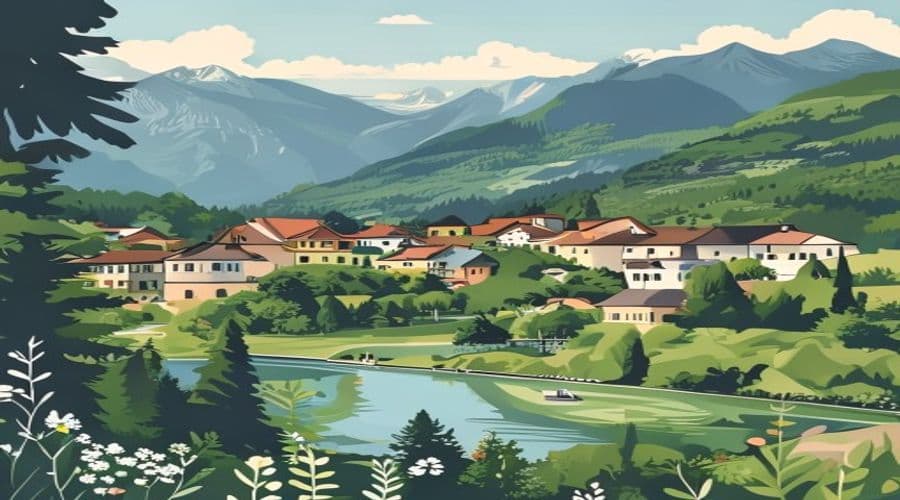
Beyond the capital, Slovenia offers stunning natural diversity within a compact area. The Julian Alps, Adriatic coast, and Karst cave systems provide diverse experiences accessible by efficient public transport. The country's small size makes train and bus travel practical, allowing visitors to explore extensively without domestic flights. Slovenia proves that sustainability need not mean sacrifice, offering world-class experiences with minimal environmental impact.
Rewilding Europe: Portugal's Côa Valley and Scotland's Highlands
Europe's rewilding movement has created extraordinary new destinations where ecosystems are recovering and wildlife is returning. Portugal's Côa Valley Greater Côa Rewilding Area has become a flagship example, where abandoned agricultural land has been restored to wild habitat. Visitors can now observe wild horses, recovered vulture populations, and the reintroduced Iberian lynx in landscapes that were degraded farmland just a decade ago.
Scotland's Highlands rewilding projects offer a different but equally compelling experience. Areas like the Cairngorms Connect initiative are restoring ancient Caledonian forest, creating wildlife corridors that support red squirrel recovery and provide habitat for species ranging from golden eagles to Scottish wildcats. Eco-lodges within these areas offer immersive experiences where guests contribute directly to rewilding efforts.
These rewilding destinations represent a new form of sustainable tourism where visitors actively participate in ecological recovery. Unlike traditional conservation tourism focused on viewing existing wildlife, rewilding tourism allows travelers to witness and contribute to ecosystem resurrection. The combination of meaningful impact and unique wildlife experiences makes these destinations increasingly popular with environmentally motivated travelers.

Practical Tips for Sustainable Travel Anywhere
Even when visiting destinations without formal sustainability programs, individual choices significantly impact your travel footprint. New carbon tracking apps like Capture and Tomorrow's Air integrate with booking platforms to automatically calculate and offset travel emissions. These tools have made carbon-conscious travel accessible to mainstream travelers who previously found the calculations confusing.
Accommodation choices matter enormously. Certified B-Corp hotels, locally-owned guesthouses, and eco-lodges typically deliver both lower environmental impact and greater community benefit than international chain hotels. Booking platforms now include sustainability filters, making these options easier to find. Even in conventional destinations, choosing sustainable accommodations supports the businesses pushing for industry-wide change.
Transportation decisions, particularly around flying, dominate travel carbon footprints. Where practical, train travel offers dramatically lower emissions while often providing superior travel experiences. Within destinations, walking, cycling, and public transport minimize impact while providing more authentic local experiences. The most sustainable travelers have rediscovered the joy of slow travel, finding that taking fewer, longer trips often delivers more meaningful experiences than frequent short breaks.
Conclusion
Sustainable travel in 2026 offers experiences that enrich rather than extract, benefiting both travelers and destinations. Bhutan's carbon-negative model, Slovenia's comprehensive certification system, and Europe's rewilding projects represent different but equally valid approaches to responsible tourism. The key is choosing destinations where tourism revenue demonstrably supports conservation and community benefit, while minimizing your travel footprint through thoughtful transportation and accommodation choices. As the climate crisis intensifies, how we travel has become as important as where we travel, and these destinations show what responsible tourism can achieve.