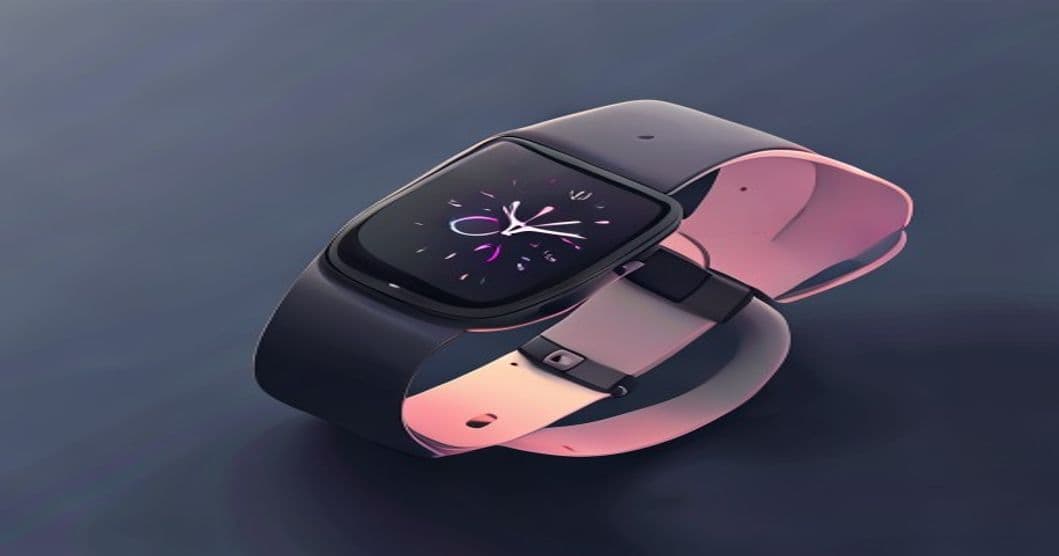
Health wearables in 2026 have evolved from simple step counters to sophisticated AI-powered health guardians capable of predicting illness, optimizing performance, and potentially catching serious health issues early. The integration of advanced sensors, machine learning models trained on billions of health data points, and seamless smartphone integration has made preventive health monitoring accessible to everyone.
Choosing the right health wearable depends on your specific goals, whether that's optimizing athletic performance, improving sleep quality, managing chronic conditions, or simply maintaining awareness of your baseline health. This comparison examines the leading AI health trackers of 2026, analyzing their unique strengths and helping you identify which device aligns best with your health priorities.
How AI is Transforming Health Monitoring
The AI capabilities in modern health wearables go far beyond tracking metrics. These devices now learn your individual baseline patterns and can detect subtle deviations that might indicate emerging health issues. The predictive models have become remarkably accurate, with leading devices now claiming 85-92% accuracy in predicting illness onset before symptoms appear.
This shift from reactive to predictive health monitoring represents a fundamental change in how we approach wellness. Rather than waiting until we feel sick, AI health trackers provide early warnings that allow for preventive action. Users report being able to catch colds and flu early enough to minimize severity, identify the impact of lifestyle choices on their health metrics, and make data-driven decisions about exercise, sleep, and recovery.
The integration with healthcare systems has also matured. Many devices now offer direct data sharing with physicians, and some insurance companies offer premium discounts for users who share their wearable data. This ecosystem development has accelerated the sophistication of AI models through access to clinical outcomes data.
Oura Ring 4: The Invisible Health Guardian
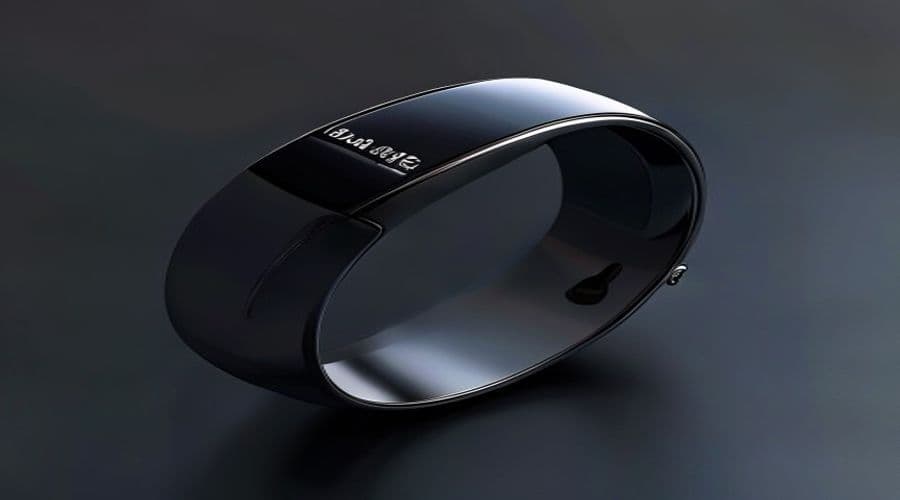
Oura Ring 4 has cemented its position as the premier choice for users who want comprehensive health tracking without the appearance of wearing fitness tech. The ring form factor appeals to professionals and those who find traditional watches intrusive. Despite its small size, the Ring 4 packs impressive sensor technology including blood oxygen, temperature trends, heart rate variability, and the new blood pressure estimation feature.
Sleep tracking remains Oura's crown jewel. The Ring 4 achieves 96% accuracy in sleep stage detection, matching clinical polysomnography studies in independent testing. The AI sleep coach provides personalized recommendations based on your patterns, adapting suggestions as it learns what actually works for you. Many users report significant sleep quality improvements within the first month of following Oura's guidance.
Priced at $349 with a $5.99/month membership, Oura Ring 4 represents a significant investment. However, the battery life of 7 days and the subtle form factor make it the most wearable option for 24/7 health monitoring. The Readiness Score has become a trusted daily metric for users planning their exercise intensity and workload.
Apple Watch Ultra 3: The Health Ecosystem Leader
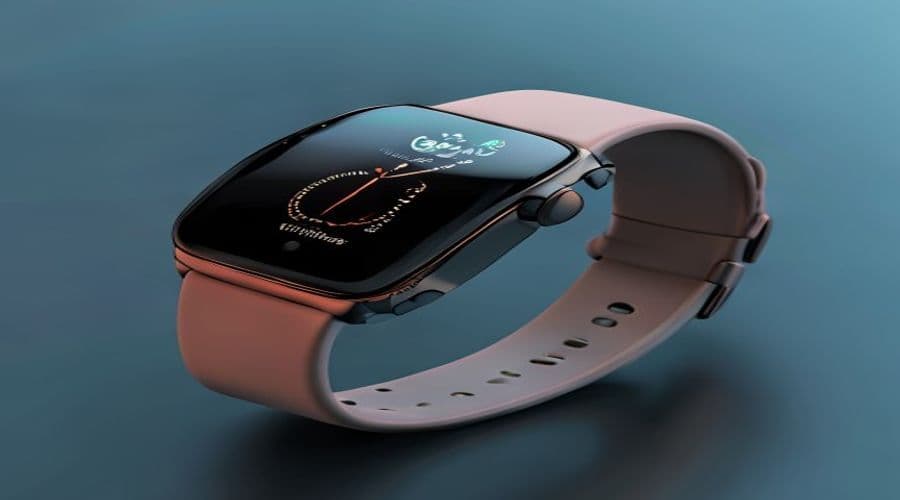
Apple Watch Ultra 3 offers the most comprehensive health feature set of any wearable, backed by Apple's extensive health ecosystem. FDA-cleared features including ECG, blood oxygen, and the new sleep apnea detection provide clinical-grade insights. The integration with Apple Health, which can aggregate data from multiple sources and share with healthcare providers, creates a complete health picture.
The AI health insights in watchOS 12 represent a significant leap forward. The Health Trends feature now provides weekly AI-generated health reports that correlate your various metrics, identifying patterns you might miss. The Vitals app monitors overnight metrics and alerts you to significant deviations from your baseline, often catching illness before you feel symptoms.
At $799, the Ultra 3 is the most expensive option in this comparison. However, for users already invested in Apple's ecosystem, the seamless integration with iPhone, iPad, and Mac creates a health monitoring experience that competitors can't match. The 72-hour battery life in low power mode addresses the primary complaint about previous Apple Watch generations.
Whoop 5.0 vs Samsung Galaxy Ring
Whoop 5.0 continues to dominate among serious athletes and biohackers who prioritize performance optimization over general health tracking. The strain coach and recovery scoring system are unmatched for planning training loads and avoiding overtraining. New features in 5.0 include stress monitoring throughout the day and more granular nutrition tracking through the companion app.
Samsung Galaxy Ring enters its second generation with significant improvements. The AI health features now rival Oura's, and the integration with Samsung's broader health ecosystem including Galaxy Watch and Samsung Health provides flexibility. At $299 with no subscription required, it offers the best value proposition for users who want ring-form health tracking without ongoing costs.
Whoop's $30/month subscription model remains controversial, but believers argue that the coaching and community features justify the cost. Samsung's subscription-free approach makes the Galaxy Ring appealing for those who want straightforward tracking without recurring fees. Both devices offer excellent build quality and water resistance.
Choosing Based on Your Health Goals
For sleep optimization, Oura Ring 4 remains the clear leader with its unmatched sleep stage accuracy and personalized sleep coaching. The ring form factor also makes it the most comfortable option for overnight wear. Users focused primarily on sleep quality should start their evaluation here.
Athletes and fitness enthusiasts face a choice between Whoop 5.0's specialized performance features and Apple Watch Ultra 3's versatility. Whoop provides deeper recovery insights and training guidance, while the Apple Watch offers GPS, workout tracking, and the broader Apple fitness ecosystem. Your training style and existing tech investments should guide this decision.
For general health monitoring and early illness detection, any of these options will serve well, but Apple Watch Ultra 3's FDA-cleared features and healthcare integration make it the most defensible choice for users with specific health concerns. The ability to share data directly with physicians and the clinical validation of its measurements provide peace of mind that less regulated devices cannot match.
Conclusion
AI health wearables in 2026 offer genuinely transformative capabilities for preventive health monitoring. Oura Ring 4 leads for sleep-focused users, Apple Watch Ultra 3 provides the most comprehensive ecosystem, and Whoop 5.0 remains the choice for serious athletes. Samsung Galaxy Ring offers compelling value for those wanting subscription-free ring-form tracking. The key is matching the device's strengths to your primary health goals, as each excels in different areas. With accurate illness prediction and personalized health insights now standard, these devices have evolved from nice-to-have gadgets to essential health tools.