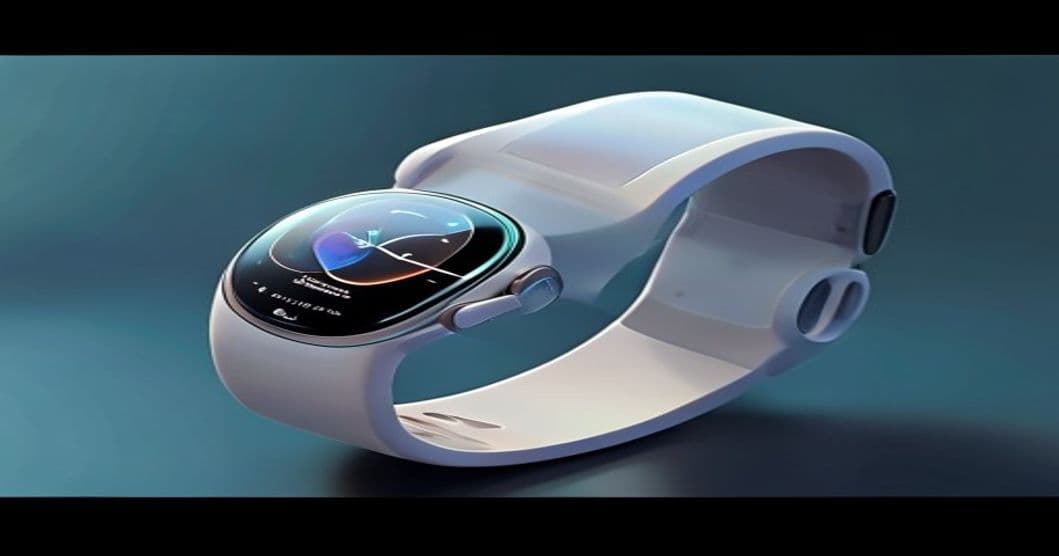
Health wearables have transcended simple step counting and heart rate monitoring to become genuine medical devices in 2026. The biggest breakthrough is non-invasive continuous glucose monitoring finally achieving FDA clearance in consumer devices, enabling diabetics and health-conscious users alike to track blood sugar without finger pricks or implanted sensors.
Beyond glucose, the latest wearables use AI to analyze multiple biosignals simultaneously, identifying patterns that predict health issues before they become serious. From detecting irregular heart rhythms to warning of impending migraines, these devices are shifting healthcare from reactive to proactive. This guide compares the best options for different health monitoring needs.
The Breakthrough: Non-Invasive Glucose Monitoring Arrives
For decades, non-invasive glucose monitoring was the holy grail of health tech—promised repeatedly but never delivered with clinical accuracy. That changed in February 2026 when the FDA cleared Apple's photonics-based glucose sensing system for continuous monitoring in the Apple Watch Ultra 3, followed quickly by Samsung's competing technology.
These systems use advanced spectroscopy to measure glucose through the skin, analyzing how different wavelengths of light interact with glucose molecules in interstitial fluid. While still slightly less accurate than traditional CGM systems for diabetics requiring insulin dosing, the new wearables achieve accuracy within 15% of blood glucose 95% of the time—sufficient for trend monitoring and pre-diabetic management.
The implications extend beyond diagnosed diabetics. Health-conscious users can now see how different foods affect their blood sugar, optimizing diet without the expense and discomfort of traditional CGM sensors. Athletes use glucose data to optimize fueling strategies. The technology democratizes metabolic health insights previously available only to those managing serious conditions.
Apple Watch Ultra 3: The Complete Health Platform
Apple's flagship wearable combines non-invasive glucose monitoring with the industry's most comprehensive suite of health sensors. Blood oxygen, ECG, skin temperature, sleep tracking, and heart rate variability all feed into Apple's Health AI, which correlates data to provide holistic health insights.
The standout AI feature is predictive health alerts. By analyzing patterns across multiple biosignals, the Apple Watch Ultra 3 can warn of potential atrial fibrillation episodes, predict migraine onset 4-6 hours in advance, and identify early signs of respiratory infections. Early adopter reports include multiple instances of the watch alerting users to cardiovascular issues subsequently confirmed by physicians.
At $899, the Ultra 3 commands a premium price, and the 36-hour battery life requires more frequent charging than some competitors. However, for users wanting the most comprehensive health monitoring in a single device with seamless iPhone integration, it remains the benchmark. The device also maintains Apple's strength in fitness tracking, making it suitable for both health monitoring and athletic training.

Samsung Galaxy Ring 2: Discreet All-Day Monitoring
Samsung's second-generation smart ring addresses a key complaint about wrist wearables: many users don't want to wear a watch constantly. The Galaxy Ring 2 packs impressive sensor technology into a comfortable titanium band weighing just 4 grams, offering 7-day battery life and 24/7 monitoring without the bulk of a smartwatch.
Health capabilities include continuous heart rate, blood oxygen (during sleep), skin temperature, and Samsung's new non-invasive glucose monitoring system. While glucose accuracy slightly trails Apple's implementation, the form factor enables monitoring in situations where watches are impractical—sleeping, showering, formal events, or occupations where wrist wearables aren't permitted.
The Galaxy Ring 2 costs $449 and requires a Samsung phone for full functionality, though basic features work with any Android device. The trade-off for the discreet form factor is reduced feature set: no ECG, no display for real-time readings, and less sophisticated activity tracking. For users prioritizing comfortable, continuous monitoring over comprehensive fitness features, it's an excellent choice.
Medical-Grade Options: Withings ScanWatch 3 and Dexcom G8
Users with diagnosed conditions requiring medical-grade accuracy have specialized options. Withings ScanWatch 3 achieved FDA clearance as a Class II medical device, meaning its ECG and blood oxygen readings are clinically validated for diagnosis, not just wellness tracking. Physicians can use data from the device to make treatment decisions.
The ScanWatch 3 costs $549 and resembles a traditional analog watch with a small digital display. It lacks non-invasive glucose monitoring but excels in cardiovascular monitoring accuracy. The device detects atrial fibrillation with 99% sensitivity, monitors blood oxygen continuously with clinical precision, and tracks respiratory rate during sleep—particularly valuable for managing sleep apnea and heart failure.
For diabetics requiring insulin dosing decisions, traditional CGM systems remain superior. Dexcom's G8, released in 2026, is the thinnest and most accurate CGM yet, lasting 14 days per sensor and featuring improved AI-powered alerts that reduce false alarms while catching genuine glucose excursions. At $300/month without insurance, it's expensive but remains the gold standard for diabetes management.
Choosing the Right Health Wearable for Your Needs
The best health wearable depends entirely on your specific monitoring needs and lifestyle preferences. Diabetics managing insulin should stick with dedicated CGM systems like Dexcom G8; non-invasive wearable glucose monitoring isn't yet accurate enough for dosing decisions. However, pre-diabetics and metabolically curious users will find Apple Watch Ultra 3 or Galaxy Ring 2 sufficient for trend monitoring.
Cardiovascular concerns point toward Withings ScanWatch 3 for its medical-grade accuracy, or Apple Watch Ultra 3 for its predictive AI capabilities. Users who simply want comprehensive health data without obsessing over clinical accuracy will find any major 2026 wearable substantially more capable than previous generations.
Consider form factor seriously. The most accurate wearable is worthless if you don't wear it consistently. The Galaxy Ring 2's discreet design leads to higher compliance rates in studies compared to smartwatches. A device that's comfortable enough to wear 24/7 will provide more valuable data than a more capable device worn intermittently.
Conclusion
Health wearables in 2026 offer capabilities that would have required clinical visits just years ago. Non-invasive glucose monitoring's arrival in consumer devices represents a genuine breakthrough, while AI-powered predictive health alerts add another dimension to personal health management. Choose based on your specific health priorities—cardiovascular monitoring, metabolic health, sleep quality, or comprehensive tracking—and the form factor you'll actually wear consistently. The technology has matured to the point where any major platform will deliver meaningful health insights.