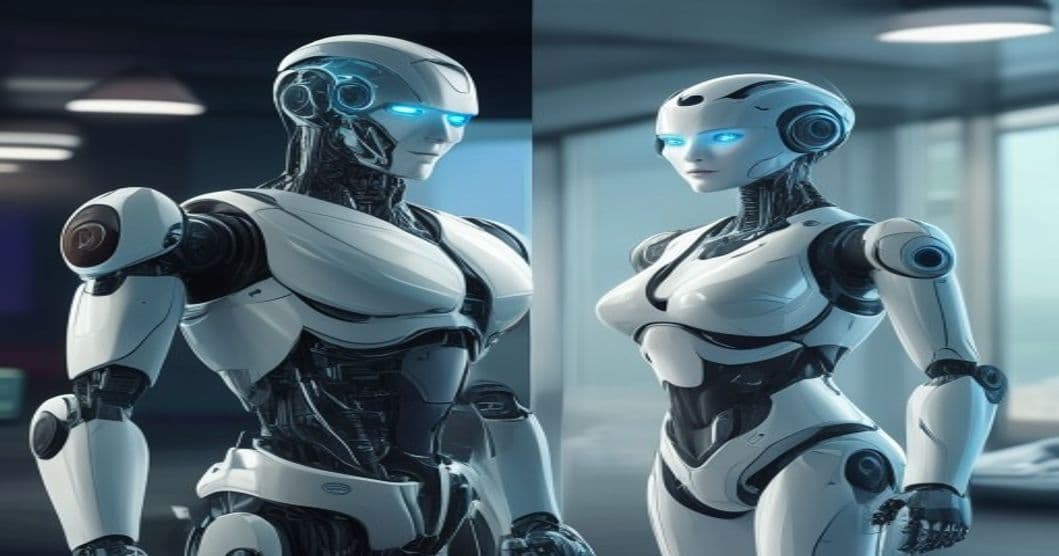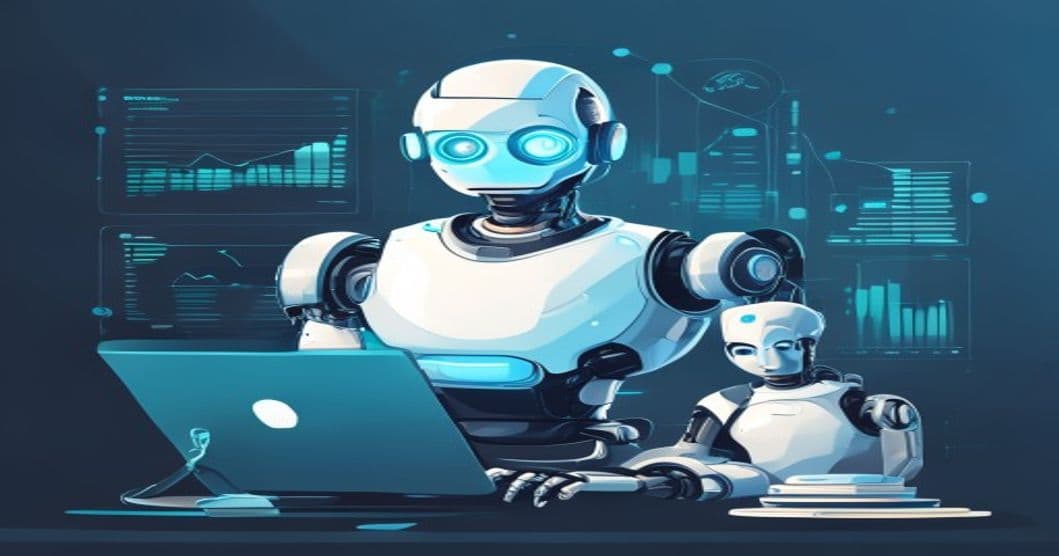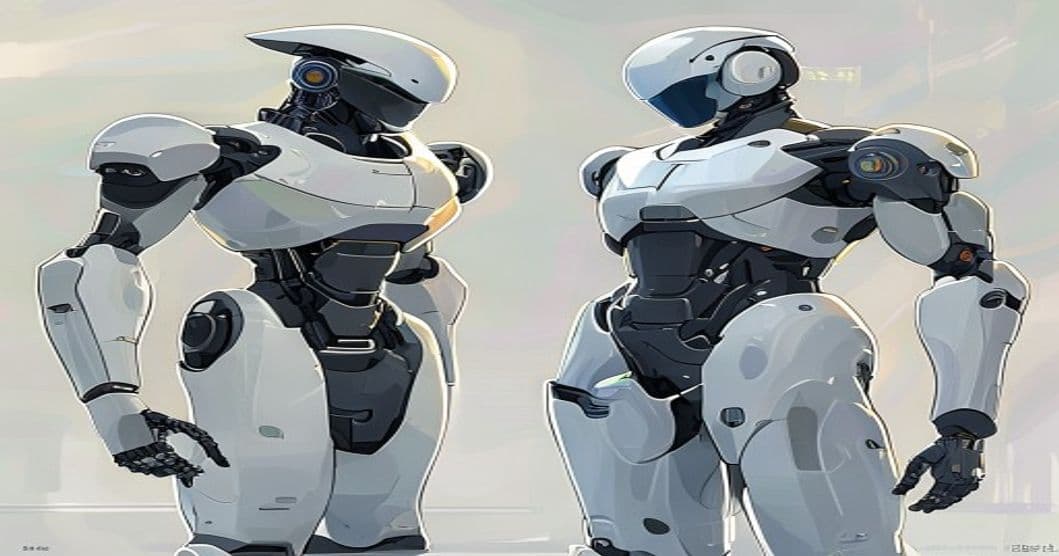
2026 marks the year humanoid robots finally entered consumer homes. After years of factory deployments and pilot programs, Tesla, Figure AI, and Sanctuary AI have each released home-oriented versions of their humanoid platforms. These aren't the clunky robots of science fiction—they can fold laundry, load dishwashers, and even hold meaningful conversations.
However, with prices ranging from $18,000 to $45,000 and significant lifestyle adjustments required, purchasing a home humanoid robot is a major decision. Early adopters report both transformative experiences and unexpected challenges. This comparison examines each robot's real-world capabilities to help you understand whether this technology is ready for your home.
Physical Capabilities and Home Tasks
Tesla Optimus Gen 2 excels at strength-based tasks, capable of lifting up to 50 pounds and handling heavy household items like furniture moving and large appliance loading. Its bipedal locomotion handles stairs reliably, though it moves cautiously at approximately 2 mph during household navigation.
Figure 02 Home Edition prioritizes dexterity over raw strength. Its hands feature 24 degrees of freedom, allowing it to handle delicate items like wine glasses and fold complex clothing items. Beta testers particularly praised its ability to cook basic meals, including cracking eggs and handling hot pans safely.
Sanctuary Phoenix takes a balanced approach, with moderate strength and dexterity. Its standout feature is adaptive learning—it can observe you performing a task once and replicate it with 87% accuracy on first attempt. This makes it highly customizable for unique household routines.
AI Intelligence and Interaction
All three robots run sophisticated AI systems, but their personalities differ significantly. Tesla Optimus uses a task-focused AI that efficiently completes assigned work but offers limited conversational engagement. It's excellent for people who want a robot that works silently and stays out of the way.
Figure 02 integrates OpenAI's latest language models, enabling fluid conversation and the ability to understand complex, multi-step verbal instructions. You can say 'clean up after dinner and then set the table for tomorrow's breakfast' and it will sequence these tasks appropriately.
Sanctuary Phoenix features their proprietary Carbon AI, designed specifically for emotional intelligence and companionship. It remembers personal details, recognizes emotional states, and adapts its communication style accordingly. For households with elderly family members, this companion aspect has proven particularly valuable.
Safety Features and Limitations
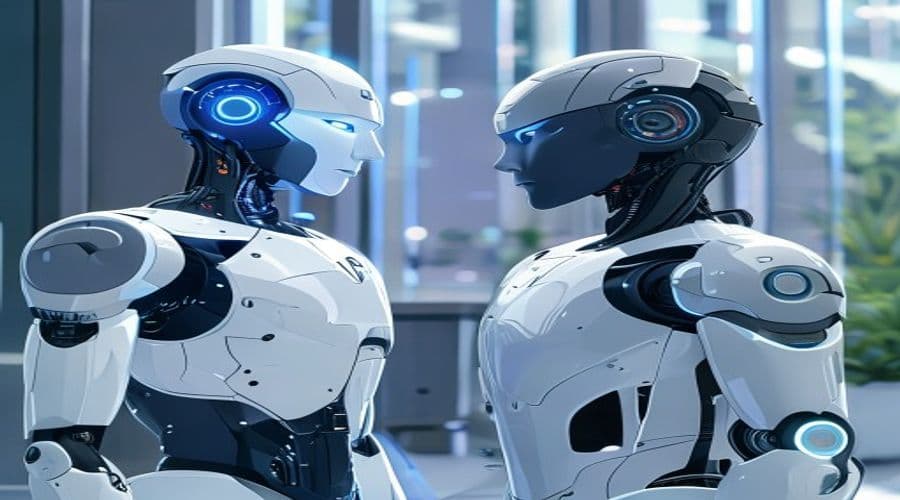
Safety remains paramount for home robots. All three feature multiple redundant systems including force-limiting joints, proximity sensors, and emergency stop functionality accessible via voice command or physical button. None have caused serious injuries in home deployments, though minor bumps have been reported.
Important limitations exist across all platforms. None can safely handle pets or young children without human supervision. Outdoor functionality is limited to covered porches and patios. Battery life ranges from 4-8 hours depending on task intensity, requiring daily charging.
Home preparation requirements are significant. All manufacturers recommend removing loose rugs, securing top-heavy furniture, and installing recommended lighting improvements. Tesla offers a $2,000 home assessment and preparation service, while Figure partners with local contractors for similar services.
Conclusion
Home humanoid robots in 2026 represent a genuine technological breakthrough, but they remain early-adopter products with premium prices and real limitations. Tesla Optimus Gen 2 offers the best value for practical household help, Figure 02 excels in kitchens and detail-oriented tasks, and Sanctuary Phoenix provides unmatched companionship capabilities. Before purchasing, carefully assess whether your home and lifestyle can accommodate these remarkable but still-evolving machines.