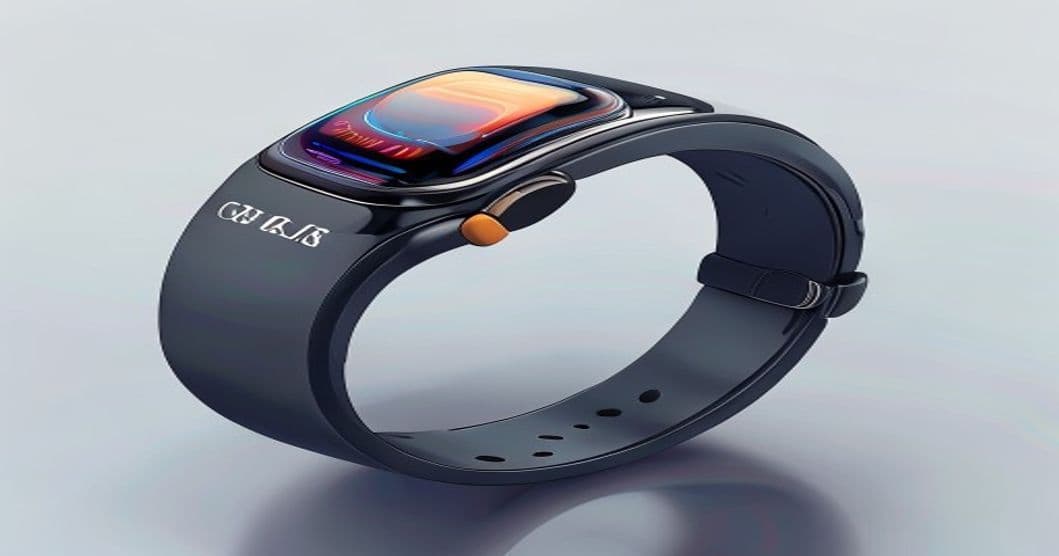
Health wearables in 2026 have transcended simple step counting and heart rate monitoring. Today's devices function as comprehensive health companions, using AI to detect patterns, predict potential issues, and provide personalized recommendations. The integration of large language models has transformed how we interact with our health data, enabling natural conversations about wellbeing.
This comparison examines the leading AI health wearables across form factors—from the discreet elegance of smart rings to the comprehensive monitoring of smartwatches and specialized medical-grade devices. We evaluate not just accuracy and features, but how effectively each device's AI translates data into actionable health insights.
The AI Revolution in Health Wearables
The defining characteristic of 2026's health wearables is their shift from passive tracking to active health management. Devices no longer simply record data—they interpret it, contextualize it, and proactively alert users to potential concerns. This transformation is powered by on-device AI models that have become sophisticated enough to recognize subtle patterns indicating everything from oncoming illness to early signs of chronic conditions.
The FDA's evolved regulatory framework, updated in early 2026, has accelerated innovation by creating clearer pathways for AI-driven health features. Manufacturers can now obtain approval for predictive health algorithms, enabling features like Oura's illness prediction and Apple's irregular heart rhythm detection to function as genuine early warning systems.
Privacy concerns have driven a trend toward edge computing, with most health AI now running locally on devices rather than requiring cloud processing. This approach keeps sensitive health data under user control while still enabling sophisticated analysis.
Oura Ring 4: The Sleep and Recovery Specialist
Oura's fourth-generation ring represents the pinnacle of unobtrusive health monitoring. The device tracks over 20 biometric signals including blood oxygen, skin temperature variations, heart rate variability, and respiratory rate—all from a titanium ring weighing under 6 grams. The AI companion, introduced with a major software update in May 2026, transforms this data into conversational health guidance.
The standout feature is predictive health scoring. By analyzing subtle changes in baseline metrics, the ring can often detect incoming illness 24-48 hours before symptoms appear. In clinical validation studies, the system showed 84% accuracy in predicting cold and flu onset, giving users valuable time to adjust schedules and prioritize rest.
At $449 for the ring plus $8.99 monthly membership, Oura targets users prioritizing sleep optimization and recovery tracking. The device excels in these areas but lacks the immediate health emergency features of smartwatches, making it best suited as a complement to rather than replacement for comprehensive health monitoring.
Apple Watch Series 11: Comprehensive Health Hub
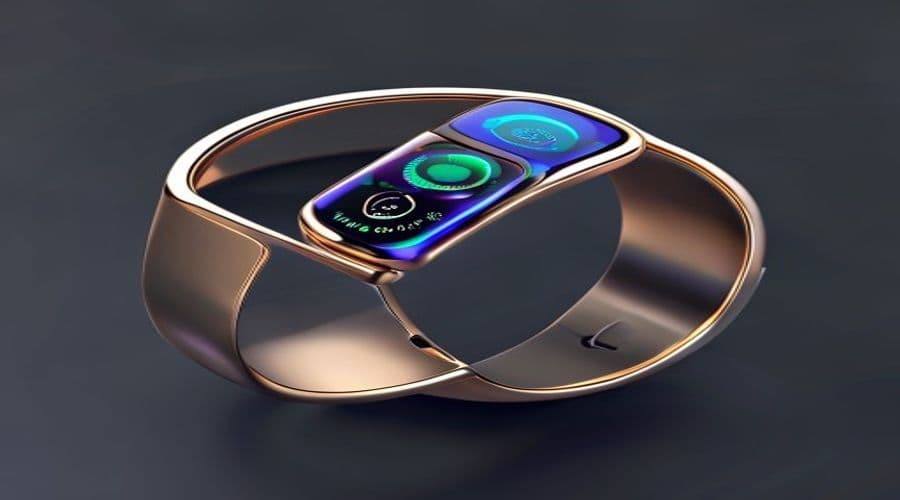
Apple's latest watch consolidates its position as the most feature-complete health wearable available. The Series 11 introduces a non-invasive glucose trend indicator (not a replacement for medical CGMs but useful for metabolic awareness), enhanced blood pressure monitoring, and the most accurate wrist-based heart monitoring tested to date.
The integration with Apple Health's AI features sets the device apart. The Health Companion feature, powered by Apple's on-device models, can explain ECG readings in plain language, identify concerning trends across weeks of data, and even prepare health summaries for doctor visits. The emergency features—including fall detection, crash detection, and direct emergency services connection—remain unmatched.
Pricing starts at $549 for the GPS model, with cellular variants adding $100. Battery life has improved to approximately 36 hours of typical use, addressing a historical weakness. For users seeking a single device that handles fitness tracking, health monitoring, and emergency response, the Series 11 remains the benchmark.
Samsung Galaxy Ring 2 and Alternative Smart Rings
Samsung's entry into the smart ring market has matured significantly with the Galaxy Ring 2. The device offers tighter integration with Samsung's health ecosystem and Galaxy smartphones, automatically adjusting phone settings based on detected sleep states and stress levels. The AI features emphasize energy management, helping users optimize daily schedules around their natural rhythms.
The ring's wellness score combines sleep, activity, and stress metrics into a single actionable number, with the AI providing specific recommendations for improvement. Samsung's partnership with health coaching platforms enables direct integration with virtual health programs, though this requires additional subscriptions.
Alternatives worth considering include the Ultrahuman Ring Air 2, which emphasizes metabolic health and pairs excellently with CGM devices, and the Movano Evie, designed specifically for women's health with cycle tracking and hormone-aware insights. Each offers distinct advantages for specific user needs.
Continuous Glucose Monitors: Beyond Diabetes Management
Perhaps the most significant trend in 2026 health tech is the mainstreaming of continuous glucose monitoring. Devices like the Dexcom G8 and Abbott Libre 4 are increasingly used by non-diabetics seeking metabolic optimization. These sensors provide real-time glucose data that, when combined with AI analysis, reveals how individual foods, exercise, and sleep affect blood sugar.
The Dexcom G8, launched in February 2026, features a slimmer sensor and 14-day wear time. Its companion app uses AI to identify glucose patterns and predict responses to specific foods based on personal history. Users report significant improvements in energy levels and weight management after just a few weeks of glucose-aware eating.
These devices typically require prescriptions in most countries, though regulatory changes in the EU now allow over-the-counter sales for wellness purposes. Sensor costs of approximately $75-100 for two weeks remain a barrier to casual use, but prices are declining as competition increases.
Conclusion
The best AI health wearable for 2026 depends entirely on your health priorities. The Oura Ring 4 excels for sleep-focused users and those wanting invisible 24/7 monitoring. The Apple Watch Series 11 offers the most comprehensive feature set for those wanting a single health hub with emergency capabilities. CGM devices provide unparalleled metabolic insights for users ready to invest in understanding their glucose responses. For most users, a combination approach—pairing a smart ring for continuous monitoring with a smartwatch for activity and emergency features—offers the most complete health picture, with AI now capable of synthesizing data across devices into unified insights.