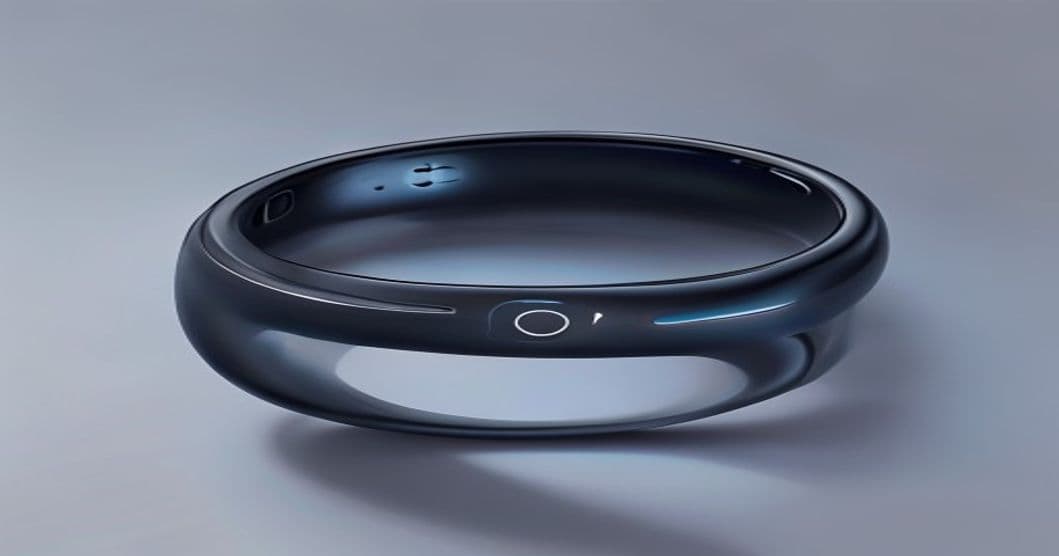
Smart rings have emerged as the preferred wearable for health-conscious users who want continuous monitoring without the bulk and distraction of a smartwatch. The form factor's advantages for sleep tracking have been clear since Oura pioneered the category, but 2026 has brought genuine competition with major tech companies and innovative startups releasing compelling alternatives.
The smart ring market has matured beyond basic sleep and activity tracking. Current generation devices offer blood oxygen monitoring, stress detection, menstrual cycle prediction, and even early illness detection through temperature and HRV pattern analysis. This guide examines which ring delivers the best combination of accuracy, comfort, and features for different user priorities.
Why Smart Rings Excel at Health Tracking
The finger offers several advantages over the wrist for health sensing. Arteries run closer to the surface, enabling cleaner heart rate and blood oxygen signals. The finger experiences less motion artifact than the wrist, improving measurement accuracy during sleep and daily activities.
Comfort during sleep represents the smart ring's killer advantage. While many users remove smartwatches at night due to discomfort, smart rings are unobtrusive enough for continuous wear. This enables the comprehensive sleep data that has made these devices popular among biohackers and health optimizers.
Battery life has improved dramatically as manufacturers optimize low-power sensors. While first-generation smart rings required charging every two to three days, current models last a week or more. This reliability has pushed smart rings from enthusiast gadget to mainstream health device.
Oura Ring 4: The Sleep Tracking Standard
Oura's fourth-generation ring builds on years of algorithm refinement to deliver the most accurate sleep analysis in the category. Independent validation studies show sleep stage classification accuracy within 5% of clinical polysomnography, significantly outperforming wrist-based devices.
The ring's new biosensor array adds continuous blood oxygen monitoring without sacrificing battery life. Oura's six-day battery remains competitive, and the redesigned charging dock offers faster top-ups for users who forget to charge.
Oura's subscription model remains polarizing. The ring itself costs $299, but unlocking advanced insights requires a $6 monthly membership after the first year. For users committed to the platform, the detailed trends and personalized recommendations justify the cost. Casual users may find the basic free features sufficient.
Samsung Galaxy Ring: Android Integration Excellence
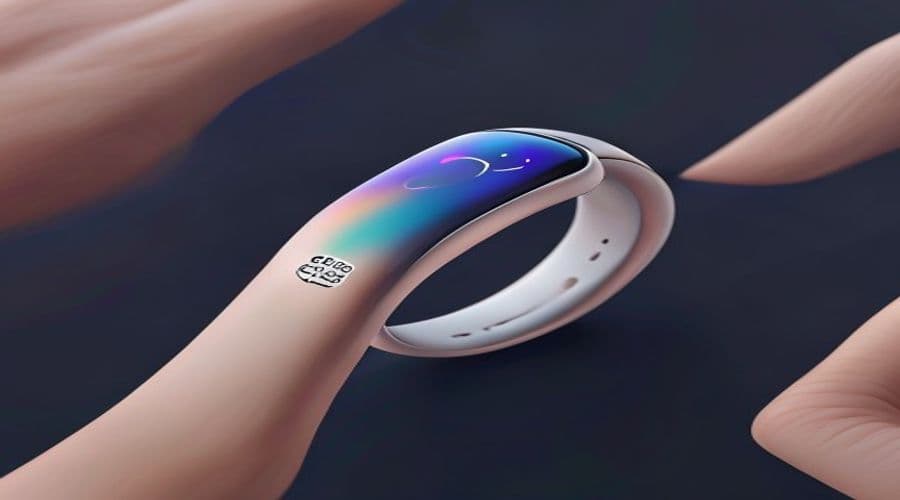
Samsung's entry into smart rings brought their hardware expertise and ecosystem integration advantages. The Galaxy Ring syncs seamlessly with Samsung Health and Google Health Connect, making it the obvious choice for Android users already invested in these platforms.
Sensor accuracy approaches Oura's levels, with sleep tracking particularly impressive given Samsung's limited history in this category. The company's AI research division developed novel algorithms that adapt to individual users, improving accuracy over time based on feedback and behavioral patterns.
The Galaxy Ring's $349 price point includes all features without subscription, directly challenging Oura's recurring revenue model. For Samsung phone users, the tight integration with Galaxy Watch and Samsung Health creates a comprehensive health tracking ecosystem that competitors cannot match.
Budget Options: RingConn 2 and Ultrahuman Ring Air
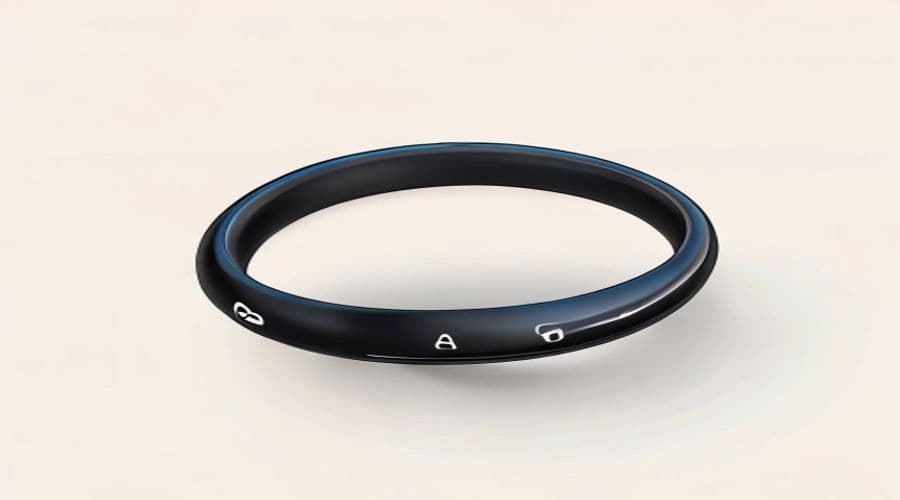
RingConn has established itself as the value leader in smart rings. The RingConn 2 at $199 offers compelling specifications including 10-day battery life and no subscription requirements. Sleep tracking accuracy falls slightly below premium options but remains adequate for most users.
Ultrahuman Ring Air targets fitness enthusiasts with features like workout detection and recovery optimization. The metabolic score feature, which estimates calorie burn efficiency, has found a dedicated following among athletes. At $249, it occupies the middle ground between budget and premium.
Both alternatives lag premium options in app polish and update frequency. Power users who want cutting-edge features and rapid improvements should consider the premium options, while users seeking reliable basics at lower cost will find these alternatives satisfying.
Sizing, Comfort, and Practical Considerations
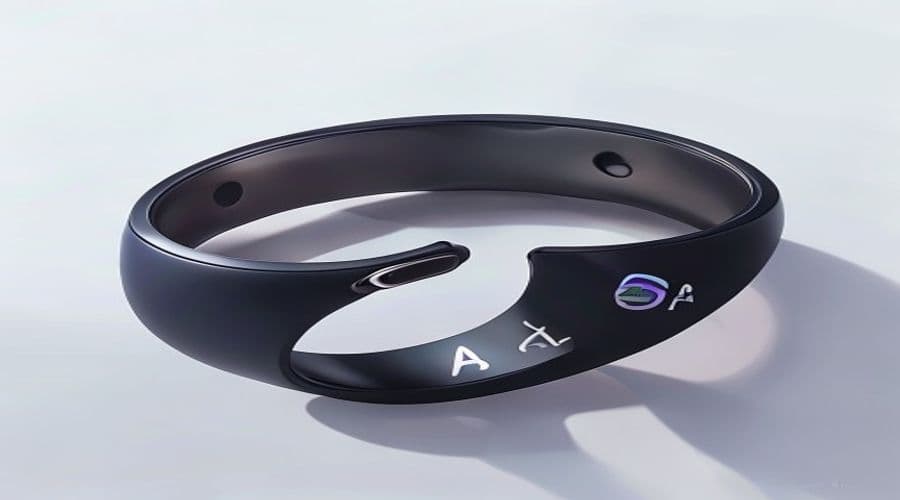
Smart ring sizing requires more precision than traditional rings due to sensor placement requirements. All manufacturers now offer free sizing kits, and getting this right is essential for accurate readings. Rings that are too loose produce inconsistent data while tight rings cause discomfort during temperature changes.
Material choices have expanded beyond the original titanium standard. Samsung offers lightweight options for users sensitive to ring weight, while Oura's stealth black finish addresses the aesthetic preferences of users who disliked the earlier silver designs.
Water resistance is now standard across all major options, with ratings allowing swimming and showering. The durability of daily wear has proven excellent, with scratch-resistant coatings standing up to typical activities. Users who work with their hands extensively should consider the reinforced options some manufacturers offer.
Conclusion
Smart rings have matured into a legitimate health tracking category with options for different priorities and budgets. Oura Ring 4 remains the gold standard for sleep analysis and long-term health insights, with its subscription model justified for serious health optimizers. Samsung Galaxy Ring delivers the best experience for Android users through ecosystem integration and subscription-free pricing. RingConn 2 and Ultrahuman Ring Air prove that capable tracking doesn't require premium pricing. For most users, the choice between Oura and Samsung comes down to platform preference and subscription tolerance, while budget-conscious buyers will find genuine value in the alternatives.